
15 Jul Training to Failure—Friend or Foe? When “One More Rep” Builds Muscle vs. Burns You Out
If you’ve ever worked with a personal trainer or followed a serious workout program, you’ve probably heard of “training to failure.” It’s that moment when you’ve pushed yourself to the point where your muscles physically couldn’t lift the weight one more time, no matter how much you wanted them to. It sounds intense, and it is.
- The Physiology Behind “Failure”
- Benefits of Pushing Past Comfort—But Only Sometimes
- When Failure Backfires: Recovery Debt and CNS Fatigue
- Smart Programming: Using Failure Strategically
- Ready to Train Smarter? Work With a Flex Fitness Personal Trainer
Some swear that it’s the fastest way to build muscle, but others warn that it leads to burnout, injury, or stalled progress. So, is training to failure a proven path to muscle growth, or just a fast track to overtraining? Let’s explore when pushing to your limits actually helps you grow and when it might be doing more harm than good.
The Physiology Behind “Failure”
To understand how training to failure works, you need to know what it means. In strength training, concentric muscular failure is the point during an exercise when you can no longer perform the lifting phase of a rep with good form, despite maximum effort. For example, when you’re doing a bench press and your arms refuse to extend the bar upward despite pushing with all your might, you’ve hit concentric failure.
Such training has real physiological effects. As you perform reps, your body initially recruits smaller, more fatigue-resistant muscle fibers. As those tire out, your body calls in the larger, high-threshold motor units that have greater potential for strength and size. The closer you get to failure, the more of these powerful fibers get activated. That’s why training to failure can be such a potent tool for building muscle.
But it’s important to draw the line between absolute failure and technical failure. Absolute failure means your muscles give out even though your form stays solid. Technical failure, on the other hand, is when your form starts to break down before your muscles do. While absolute failure can signal a strong training stimulus, technical failure raises your risk of injury and reduces the quality of the rep, especially if you’re compensating with other muscles.
Benefits of Pushing Past Comfort—But Only Sometimes
There are moments when training to failure gives you an edge, especially if you’re smart about when and how often you use it. Here are some situations where it works well:
-
- Final Set Activation
If you’ve already completed a few sets at moderate effort, ending your last set of an exercise with a push to failure can fully fatigue the target muscles, maximizing the recruitment of high-threshold motor units. It works well for hypertrophy-focused workouts.
-
- Limited Time Blocks
Short on time? All-out sets taken to failure can help you get a decent stimulus even with fewer total sets. It’s not ideal as a long-term strategy, but it can keep your training effective when your schedule is tight. Just be careful not to overdo it.
-
- Lagging Body Parts
If you’re trying to bring up a stubborn muscle group, failure sets, with proper form, can shock those muscles into responding. Since these areas often don’t get as much stimulation during compound lifts, training to failure can help target them more directly.
But does training to failure actually lead to better muscle gains than stopping a few reps short? A study comparing sets taken to absolute failure versus non-failure suggests that, for muscle hypertrophy, both approaches can be similarly effective, especially for trained individuals. In short, you can achieve comparable muscle growth even if you don’t go to failure, as long as your workout routine remains challenging.
When Failure Backfires: Recovery Debt and CNS Fatigue
While the occasional all-out set has its place, making failure your everyday strategy quickly leads to recovery debt, where your body simply can’t keep up with the stress you’re throwing at it. Excessive cortisol from constant failure training can interfere with muscle repair and even break down existing muscle tissue over time. You might feel more fatigued, mentally foggy, and less motivated to train.
Furthermore, you might notice a prolonged and more intense experience of Delayed Onset Muscle Soreness (DOMS) duration. If you find yourself excessively stiff and sore for days on end, struggling with everyday movements, it’s a sign that your body isn’t recovering adequately between sessions. It impacts your ability to perform well in your next workout, creating a cycle of underperformance.
Then there’s the wear and tear on your joints. When you’re constantly grinding through those last ugly reps with shaky form, your elbows, knees, and shoulders start to take a hit. Especially with heavy lifting movements, such as squats, bench presses, and deadlifts, repeated failure training can lead to nagging elbow or knee pain that derails your consistency, or worse, leads to injury.
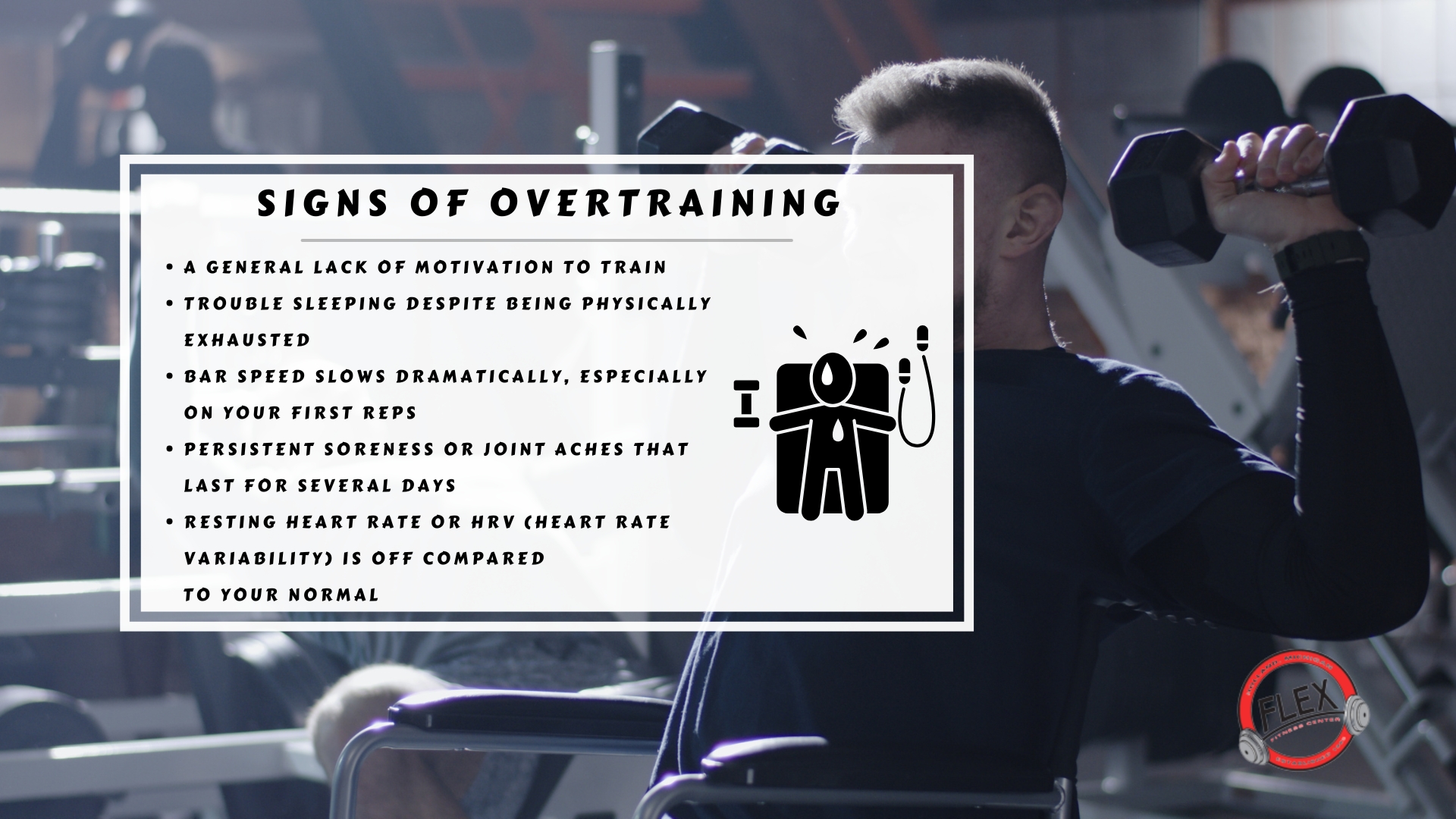
So, how do you know when training to failure is crossing the line? Here are a few indicators that you might be overreaching:
-
- A general lack of motivation to train
- Trouble sleeping despite being physically exhausted
- Bar speed slows dramatically, especially on your first reps
- Persistent soreness or joint aches that last for several days
- Resting heart rate or HRV (heart rate variability) is off compared to your normal
A knowledgeable personal trainer can spot these red flags early and help adjust your program before it spirals into full-blown overtraining.
Smart Programming: Using Failure Strategically
A widely adopted guideline among many experienced lifters and personal trainers is the 80/20 rule. The rule suggests that around 80% of your training volume should be kept at 1 to 3 Reps In Reserve (RIR). In other words, you should stop your set knowing you could have performed 1 to 3 more good reps with proper form. The remaining 20% can include sets to failure, especially on isolation movements or during specific challenge sets designed to test your limits.
The approach provides an excellent stimulus for muscle and strength gains without accumulating excessive fatigue. It allows for consistent progression, better recovery between sessions, and reduces the risk of overtraining or injury. In some cases, trainers might include a deload week for as many reps as possible (AMRAP) sets, a technique where you reduce the weight but test how many quality reps you can do. It gives you a chance to push without overloading your body.
The bottom line? When used wisely, training to failure can be a powerful tool in your training program. Just don’t make it your entire game plan. Train hard, but train smart at the same time. Better yet, work with a knowledgeable personal trainer who can assess your form, understand your recovery capacity, and guide you on when and where to safely push to failure, ensuring you get the maximum benefit without the detrimental effects of overtraining.
Ready to Train Smarter? Work With a Flex Fitness Personal Trainer
Flex Fitness Center is here to help you train harder and smarter, with state-of-the-art gym equipment and personalized training programs that include a safe and effective use of the training to failure approach. Our certified personal trainers take the time to understand your goals, assess your current fitness level, and build a custom plan that balances intensity with smart recovery. Visit us today or contact us at (616) 396-2901 or here to learn more about our personal training options. Let us help you turn that “one more rep” into consistent, injury-free gains!